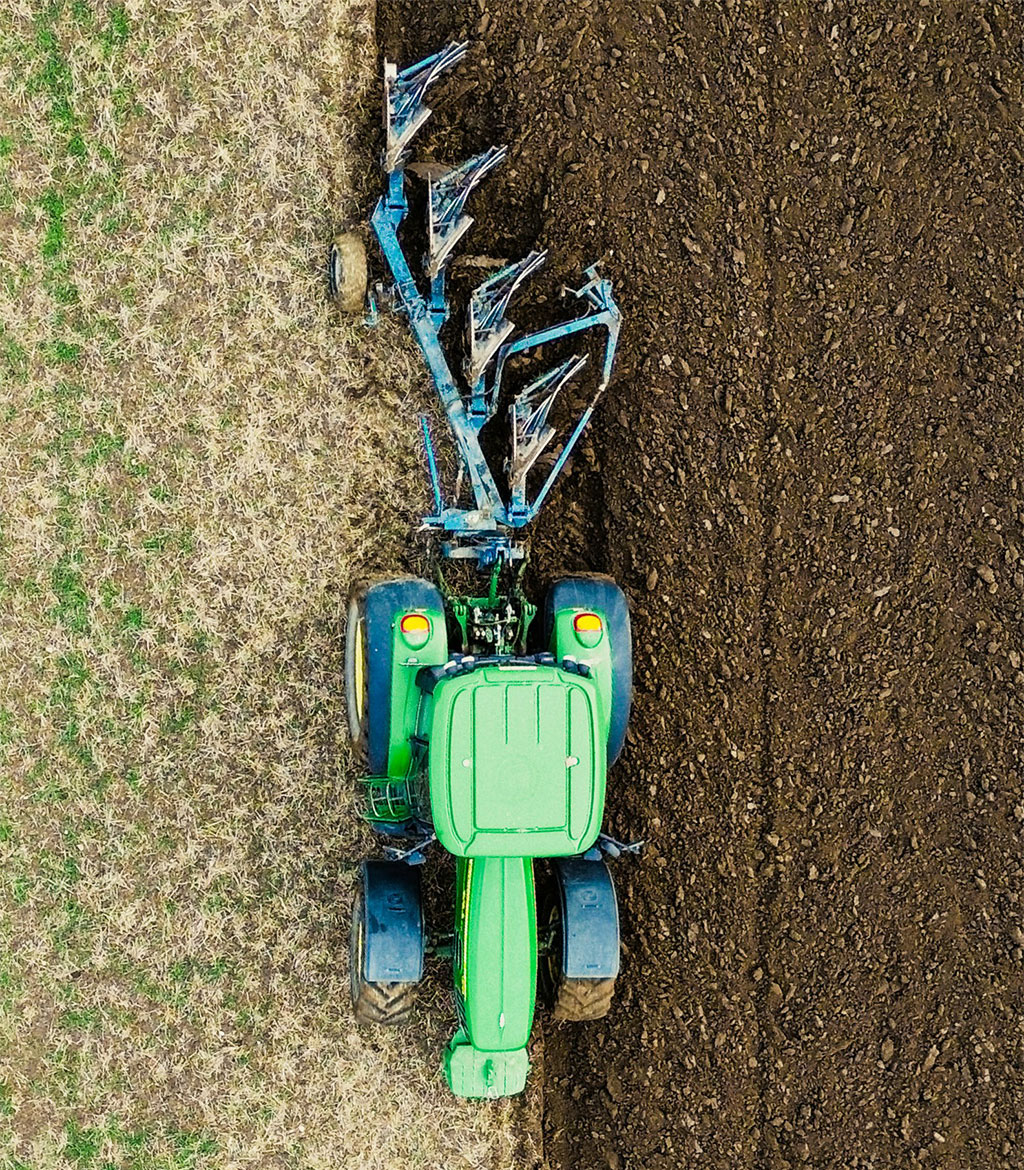
We’ve always been fascinated with how it all happens. How do our independent business-folk, a varied group indeed, make the magic happen day in and day out? What goes into the creation of a destination shop, a community get-together, a gallery?
Clearly, the universal answer would be that a lot of talent, study, and hard work go into making a creator’s dream a reality. Beyond that, though, both the pathways and the results are as individual as fingerprints. We find it fascinating, and it’s an honor and a great privilege to tell these stories, as we do in our Meet the Owners articles. Now we’ve decided to take you behind the scenes in yet another way.
Welcome to our Day in the Life series. Farming seems like the perfect vocation to start with, given that a bin of gleaming fruit or an enticing pie stands as a silent testimony to a process that literally begins under the ground, requires intense devotion, and is key to our collective survival.
Photo by Nuttawan Jayawan.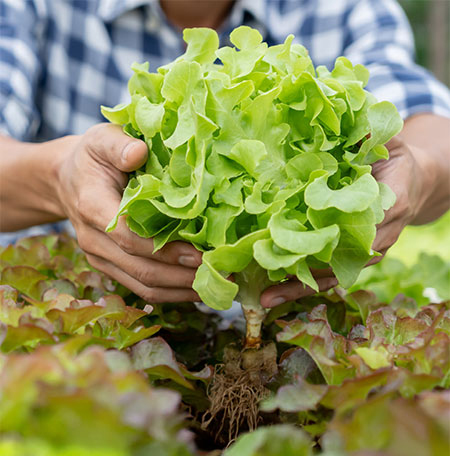
Dan Schoonmaker in his greenhouse at Saunderskill Farms.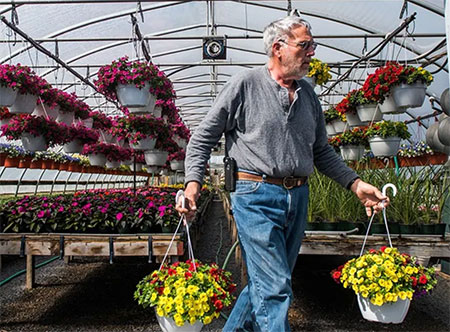
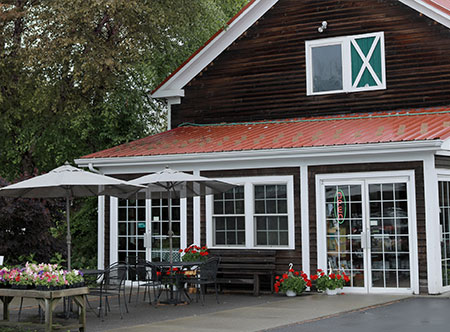
A spring day in the life of...
dan schoonmaker of saunderskill farms
What does a typical spring day look like for you?
Dan Schoonmaker: Initially, we look at the weather to review the forecast for the upcoming days, which helps us devise our plan for that day and often for the next few days regarding planting. This is crucial because spring is the most significant season for getting things planted
When does spring preparation begin?
Dan: In terms of preparation, we typically start a few months in advance as we get ready for spring.
What are you typically working on during winter?
Dan: Starting in the fall, we place orders for all our seeds, fertilizers, and greenhouse supplies, including packaging and plants that we will transplant in the spring. We are continually maintaining our equipment and also planning ahead for the fall, deciding which crops will be planted the following year.
Do you have downtime in the winter months?
Dan: We have some downtime if we want to engage in things on our own or with family. We spend a considerable amount of time maintaining the greenhouses and equipment. Additionally, we trim the hedges around the perimeter of the fields; the brush tends to grow rapidly over the summer season.
Photo by Zoe Richardson.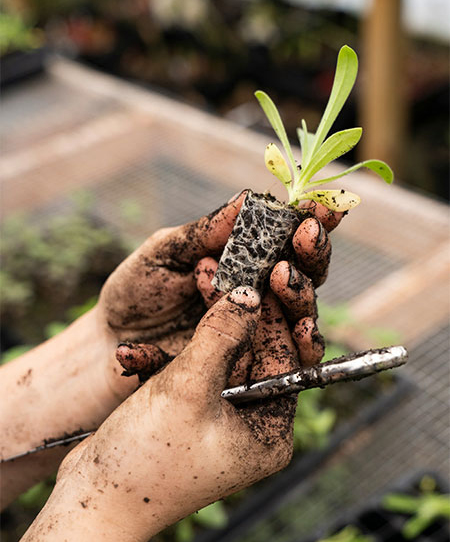
What crops or tasks begin first in early spring?
Dan: Typically, the initial crops planted in early spring are peas and sweet corn. The primary tasks involve retrieving the equipment from storage and ensuring it is properly tuned for the upcoming season.
What’s the most challenging part of springtime farming?
Dan: The most difficult aspect of spring is the weather, as it significantly influences our ability to plant crops on schedule. My father often reminded me, "If you don't plant crops, you won’t harvest crops." Timely planting is crucial, and the weather plays a key role in whether we can proceed with planting or not.
What’s the most rewarding?
Dan: The most rewarding experience is sowing the seeds, observing their growth over the season, and reaping the rewards when it's time to harvest. Harvesting is likely the most rewarding part of the year, but you’ll never get there without sowing, so getting that done is satisfying.
Photo by Zoe Richardson.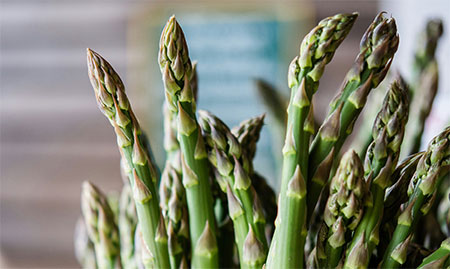
Saunderskill Farms. Photo by New York Farm Bureau.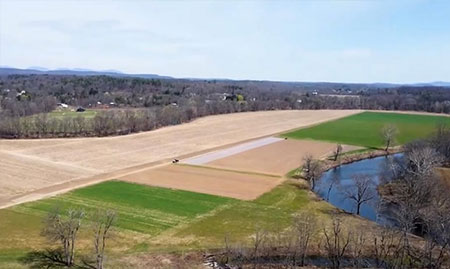
How is spring different from other seasons on your farm?
Dan: Spring is the most active and crucial season, as it involves planting crops while managing greenhouse production, wholesale deliveries, and harvest of early crops like asparagus. During the summer and fall, the work in the greenhouse shifts towards maintaining the products, with our primary focus being on harvesting the crops.
What do you wish customers understood about early-season farming?
Dan: A lot of folks are unaware just how important it is to plant your crops on time. If crops aren't planted on schedule, it leads to delays in harvesting and, given the already brief harvesting season, this is crucial for our industry, since that's when you start generating income from your products. Therefore, it's essential to complete our early-season tasks promptly.
Saunderskill Farms is one of a very few in the United States to have celebrated its tricentennial, having begun to sprout in 1680. Come here for superb homegrown produce, delicious premade meals (grab a bench by the pond!), soups, and bakery items, plus delicious soft-serve ice cream. saunderskill.com
Chris Kelder of Kelder's Farm.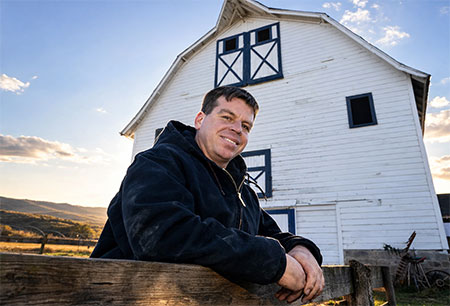
Tulip fields at Kelder's Farm.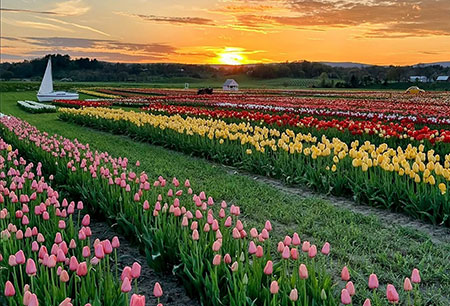
A spring day in the life of...
chris kelder of kelder's farm
What does a typical spring day look like for you?
Chris Kelder: We love spring; plants wake up, and we as farmers get to start fresh with new optimism that it will be a good year on the farm. We start tilling ground and planting crops.
When does spring preparation begin?
Chris: Depending upon the year, we start planting in the field in April; many crops have been started in the greenhouses as early as late February.
What are you typically working on during winter?
Chris: In the winter months, we repair equipment, care for our animals, plan for the coming season, and recharge our batteries for the upcoming season.
Do you have downtime in the winter months?
Chris: Yes, winter is a nice time to relax and recharge.
What crops or tasks begin first in early spring?
Chris: The first tasks include finishing pruning the perennial crops and getting the tulip field ready for tulip time.
View of Kelder's Farm from above.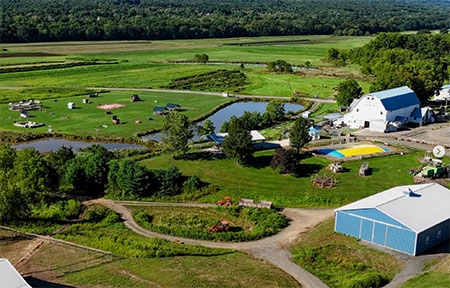
Photo by Michelle Tressemer.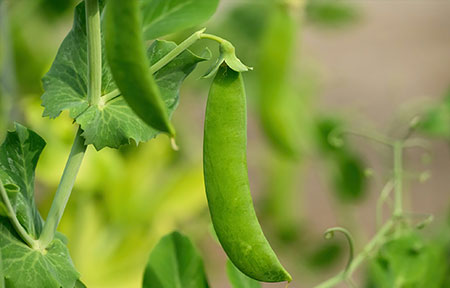
What’s the most challenging part of springtime farming?
Chris: Timing! We wait for the right time to accomplish tasks, and then all of a sudden they all need to be completed yesterday.
What’s the most rewarding?
Chris: The most rewarding part of spring is watching crops and animals start fresh and grow.
How is spring different from other seasons on your farm?
Chris: Spring is an extremely important time of year, and you have to get it right. Mistakes made in spring carry forward throughout the entire farming season.
What do you wish customers understood about early-season farming?
Chris: Spring is just the beginning. There is a seasonal rhythm to farming, and many things planted in the spring don't come to fruition until later in the season, so they’re not visible yet.
Kelder’s Farm is famed for creative agritainment. You’ll find over three dozen fun things to do here, way more than you can fit into a single afternoon, but there are season passes. Don’t miss the stunning 4th Annual Tulip Festival happening late April through early May; over 50 varieties fill 10 acres with over 800,000 blooms. keldersfarm.com
There’s something deeply grounding about stepping behind the scenes and witnessing the devotion, timing, and quiet resilience that sustain our local farms. We’re grateful to Dan Schoonmaker and Chris Kelder for sharing a glimpse into the rhythm of their spring days—and for reminding us that every harvest begins long before we see it. Join us again in our Summer Issue as we continue our Day in the Life series, spotlighting another one of our local neighbors. We’re excited to bring you even more behind-the-scenes moments and the stories that make this region so extraordinary.
View of Kelder's Farm from above.