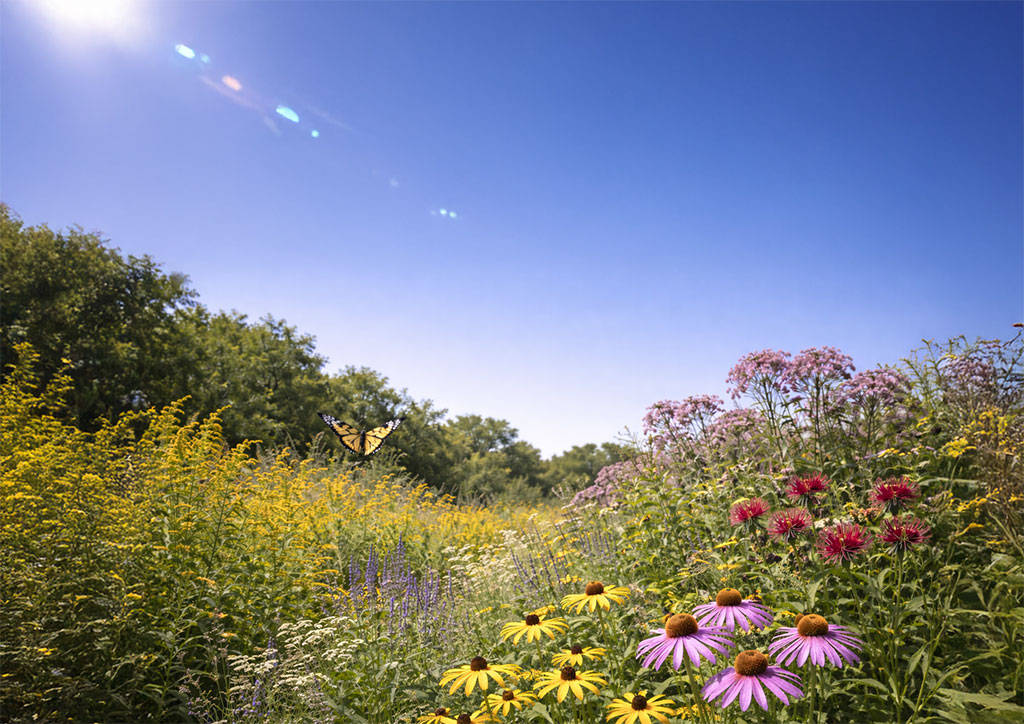
Tucked into tree bark, sheltered in rock crevices, or resting quietly in leaf litter, some species survive the cold months as adults. Others pause their transformation in the egg, caterpillar, or chrysalis stage, waiting for the subtle cues of spring. As temperatures rise and daylight stretches longer into the evening, something shifts. Wings emerge. Meadows awaken. And suddenly, the air feels alive again.
The Hudson Valley’s varied landscape of meadows, wetlands, forests, farmland, oak ridges, and pine groves creates a rich tapestry of habitat. That diversity supports an impressive range of butterfly species, especially in early spring. As you head outdoors this season, keep an eye out for these familiar and fascinating visitors:
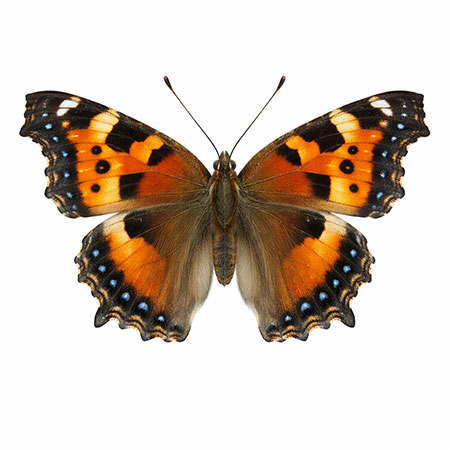
compton’s tortoiseshell
This beautifully camouflaged species blends seamlessly into last year’s fallen leaves. Look for warm orange-brown coloring with black markings and slightly jagged wing edges
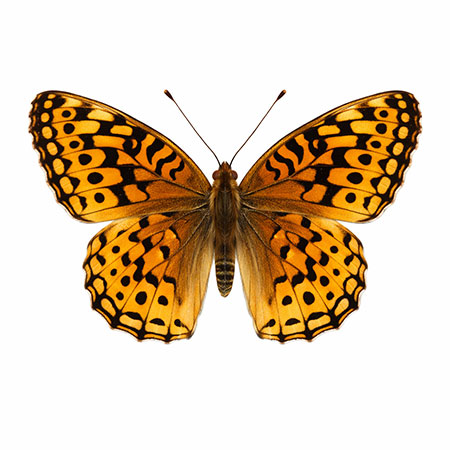
great spangled fritillary
As spring deepens toward early summer, look for this striking orange butterfly with black markings and shimmering silver spots on the underside of its wings. They favor open meadows filled with violets, which serve as host plants for their caterpillars.
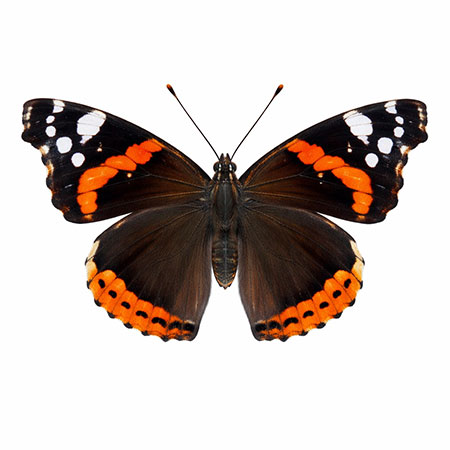
red admiral
Often seen darting quickly along forest paths, the Red Admiral is dark with bold red-orange bands and white spots. Like the Mourning Cloak, it may overwinter locally and is frequently among the first to reappear.
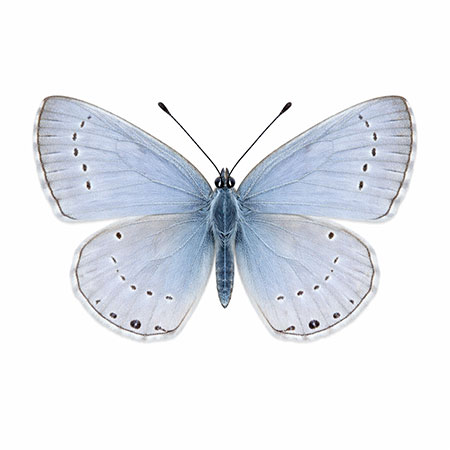
spring azure
Small but brilliant, these vivid blue butterflies shimmer in open areas as wildflowers begin to bloom. You may see them fluttering close to the ground—especially near damp patches or puddles where they gather minerals.
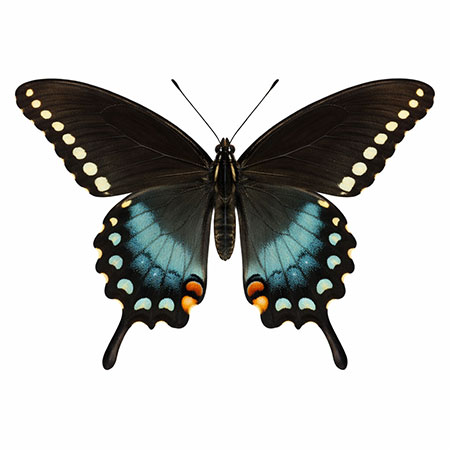
spicebush swallowtail
Darker and more dramatic, the Spicebush Swallowtail appears almost black at first glance, but reveals flashes of iridescent blue and orange underneath its wings. They favor wooded areas and shaded trails.
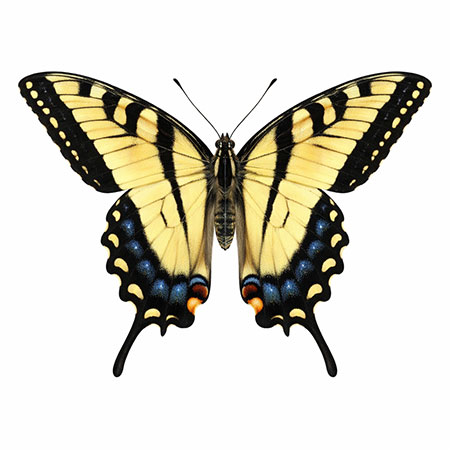
eastern tiger swallowtail
Perhaps the most recognizable butterfly in our region, this large yellow-and-black striped beauty floats gracefully above fields and gardens. Their size and bold pattern make them easy to spot from a distance.
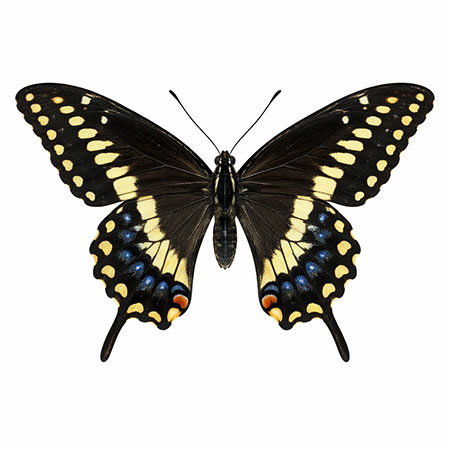
black swallowtail
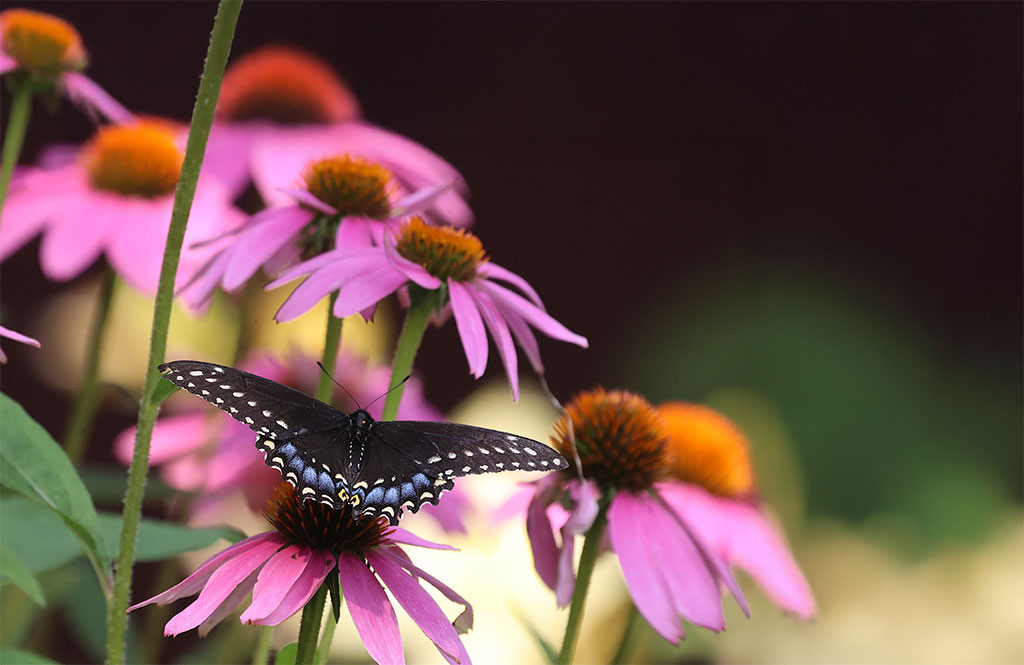
Common in home gardens, especially where parsley, dill, fennel, or carrots grow, the Black Swallowtail is black with yellow markings and subtle blue accents. Their caterpillars are often found munching herbs.
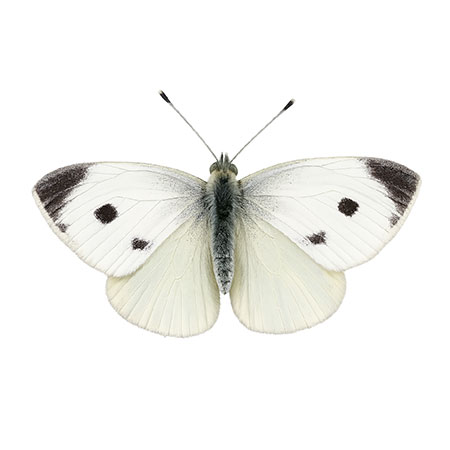
cabbage white
Small, delicate, and bright white with subtle black markings, this common butterfly is often seen drifting through gardens and open fields. They are especially attracted to cruciferous vegetables like kale and cabbage.
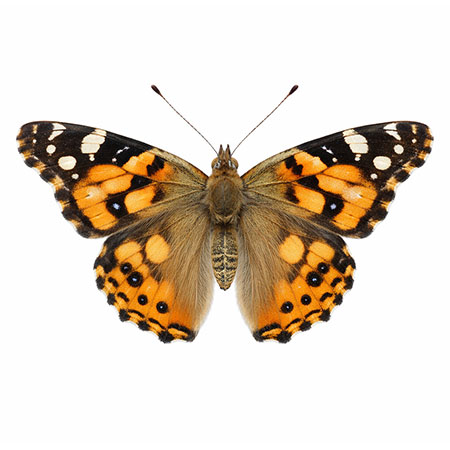
painted lady
Often mistaken for a Monarch at a glance, the Painted Lady features orange-and-black coloring with distinctive eyespots on the underside of its wings. It’s adaptable and can be found in gardens, fields, and roadside blooms.
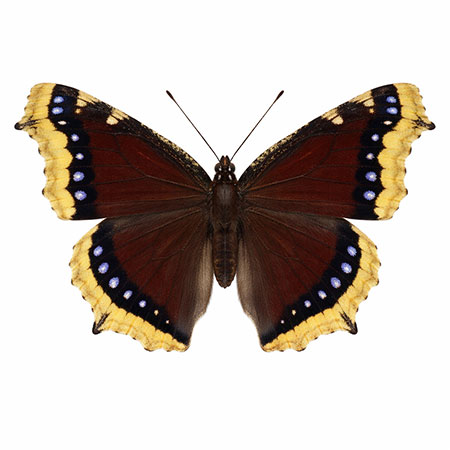
mourning cloack
One of the first butterflies to appear each year, the Mourning Cloak overwinters as an adult. Large and dramatic, it flashes deep mahogany wings edged in pale gold. You’ll often spot it gliding along woodland edges or basking in sunlight on tree trunks.
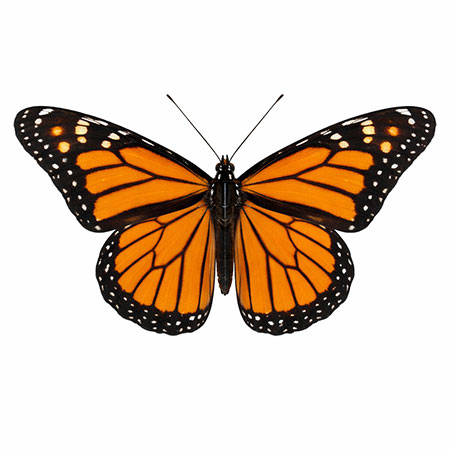
monarch
While more commonly associated with late summer, Monarchs begin returning north in late spring. Their bold orange-and-black pattern is unmistakable, and they rely heavily on milkweed as a host plant for their young.
flowers that attract butterflies
If you’d like to invite butterflies closer to home, plant nectar-rich varieties—especially native species whenever possible. Choose sunny spots, avoid pesticides, and allow a few areas of your garden to grow a little wild. Butterflies aren’t looking for perfection—they’re looking for habitat.
A Few Favorites:
CONEFLOWER
BLACK-EYED SUSAN
BEE BALM
PHLOX
JOE-PYE WEED
VIOLAS & VIOLETS
GOLDENROD (late season)
MILKWEED (for Monarchs)
where to spot them
Butterflies go where the flowers are—and where the sun lingers. Open meadows, woodland edges, riverbanks, and gardens tend to be the most active spring habitats. Look for sunny stretches along hiking trails, fields bordered by trees, and areas where wildflowers are beginning to bloom. Even a quiet roadside patch of native plants can become a fluttering corridor.
Early in the season, you may see butterflies basking on rocks or tree trunks, warming their wings in the sun. As the days grow warmer, they’ll become more active—drifting between blossoms, gathering near damp soil, or gliding just above tall grasses. Slow down. Scan both the air and the ground. The more still you are, the more you’ll notice.